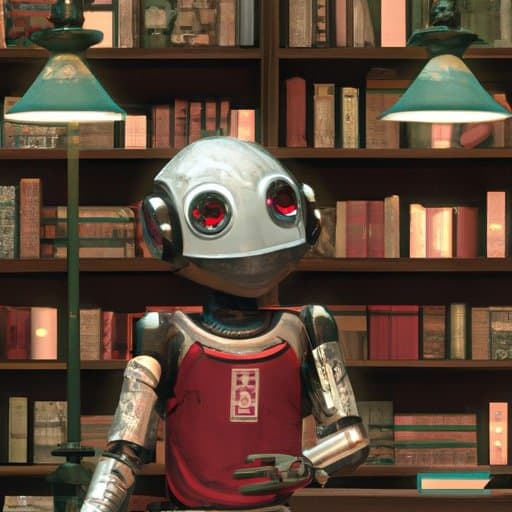
A personal AI assistant might answer questions, help organize a schedule, or draft a message. Each task raises a practical question: how much should the assistant do on its own? This article considers those uses and what more capable assistants could mean for daily life.
The Rise of AI Personal Assistants
AI personal assistants, such as Siri, Google Assistant, and Alexa, have become part of many people's daily lives. They help us manage our schedules, answer queries, control smart home devices, and entertain us with jokes and games. The best AI assistants are designed to learn from our behaviors and preferences, providing personalized assistance that improves over time.
However, recent advances in generative AI will soon render classic AI applications like Siri obsolete.
The Future of AI Assistants
The future of AI assistants is promising, with advancements in AI and machine learning technologies paving the way for more sophisticated and intuitive features. Here are some trends we can expect:
- Enhanced Personalization: AI assistants will become more personalized, understanding our preferences, habits, and routines better. They will anticipate our needs and provide proactive assistance, making our lives easier and more organized.
- Improved Conversational Abilities: As generative AI is implemented, AI virtual assistants will become more conversational and human-like, understanding context, emotions, and nuances in our speech. More conversational AI will make interactions with them more natural and engaging.
- Integration with IoT Devices: As the Internet of Things (IoT) expands, AI assistants will become the central hub for controlling various smart devices in our homes and offices.
- Advanced AI Capabilities: The best AI assistants will respond to commands, make decisions, and perform tasks independently. They can analyze complex data, make predictions, and even offer advice.
- Enhanced Security: Security will become a top priority with the increasing use of AI personal assistants. Future AI assistants will have advanced security features to protect our data and privacy.
The usefulness of a personal assistant depends on how well it serves the person using it. Consider the time it saves, the information it needs, and the control you retain over its actions. Those questions matter as assistants become more capable.
The author generated this text in part with an OpenAI GPT large-scale language-generation model. Upon generating draft language, the author reviewed, edited, and revised the language to their own liking and takes ultimate responsibility for the content of this publication.
