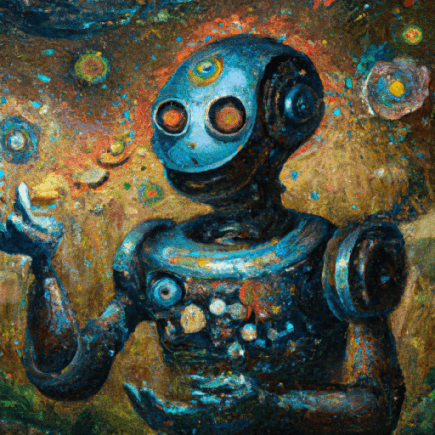
AI is already present in familiar services, including voice assistants and recommendation systems. These uses affect everyday work as well as leisure. Generative AI adds the ability to produce content in response to a request. The examples below distinguish those uses and consider the broader goal of general intelligence.
The Magic of AI in Everyday Life
Artificial Intelligence has been instrumental in automating and enhancing numerous aspects of our daily lives. It powers the GPS that guides us on the roads, the spam filters that keep our inboxes clean, and the social media algorithms that personalize our feeds. AI is also revolutionizing industries, from healthcare with AI-powered diagnostic tools to finance with robo-advisors.
The Rise of Generative AI
While AI's applications are vast, one of the most exciting breakthroughs is in the realm of Generative AI. Unlike traditional AI models that are designed to make decisions based on input data, Generative AI can create new, original content. This could be anything from a piece of music, a poem, a painting, or even a whole new video game level.
Generative AI uses machine learning algorithms to understand the patterns and structures in the data it's trained on. It then uses this understanding to generate new, original content that follows the same patterns. This technology has immense potential, from creating personalized content to designing new products and even aiding in scientific research.
The Journey Towards General AI
While we have made significant strides in AI, we are still far from achieving General AI, also known as Artificial General Intelligence (AGI). AGI refers to a type of AI that possesses the ability to understand, learn, and apply knowledge across a wide range of tasks at a level equal to or beyond a human being.
The progress towards AGI is crucial as it holds the promise of creating machines that can outperform humans at most economically valuable work. It could lead to significant societal changes, from automating jobs to potentially solving complex global issues. However, it also presents challenges and ethical considerations that need to be addressed.
Everyday examples are a useful starting point, but they do not all demonstrate the same kind of intelligence. Distinguish what a system does today from the capabilities researchers hope to develop.
The author generated this text in part with an OpenAI GPT large-scale language-generation model. Upon generating draft language, the author reviewed, edited, and revised the language to their own liking and takes ultimate responsibility for the content of this publication.
